010
Sign in
DANDELION
Some things are meant to drift, to wander, and find meaning in where they land.
DevOps
Developments and IT operations
2020
Foundation
Q1 2025
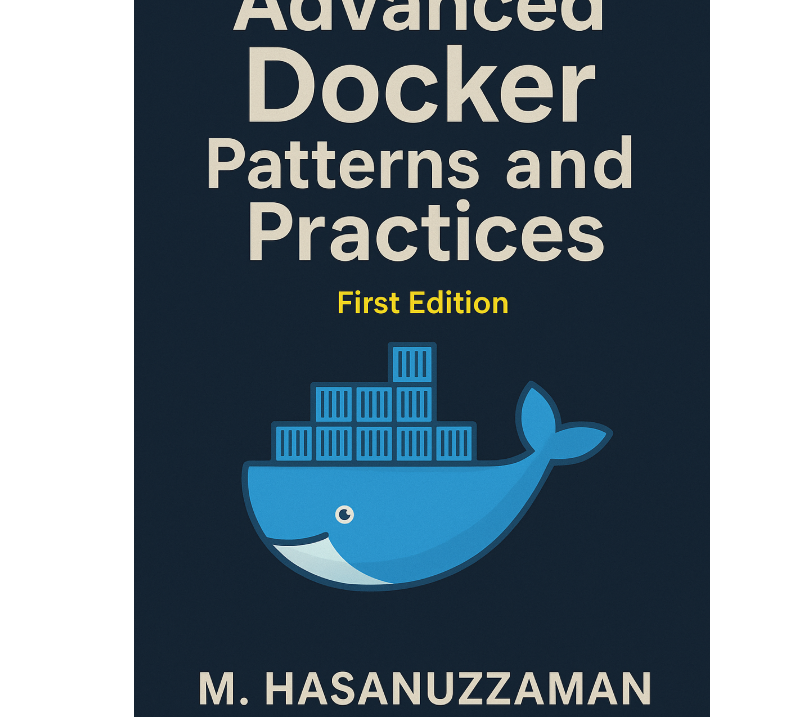
DOCKER BOOK
Q3 2025
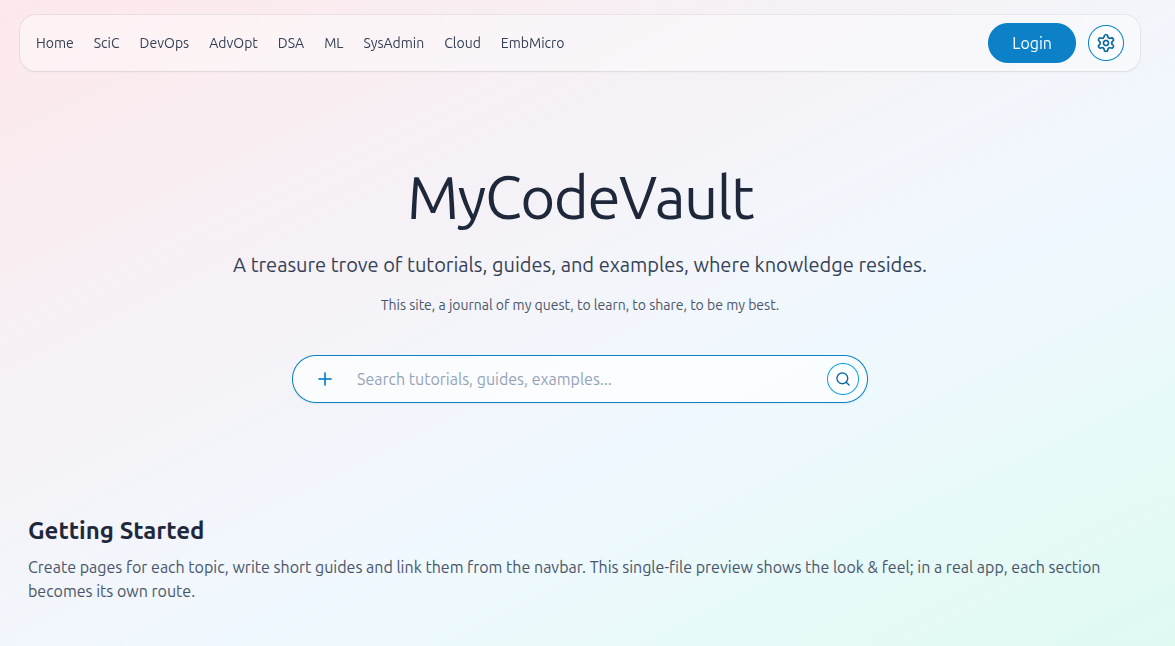
MyCodeVault 2
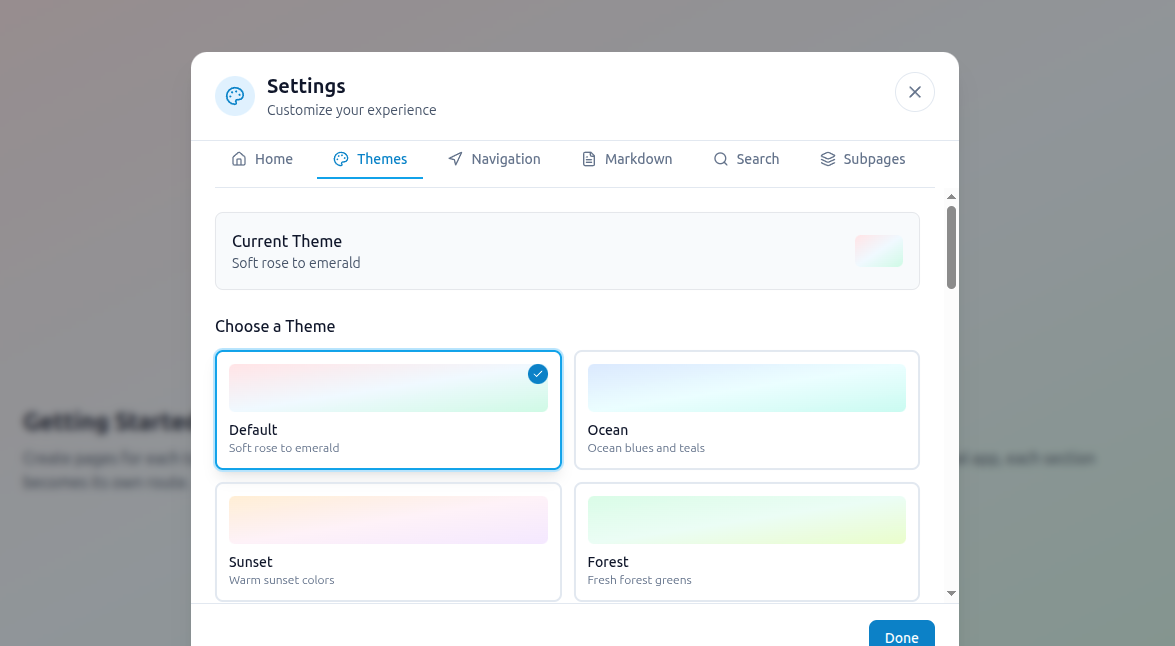
Q3 2025
CodeTutor
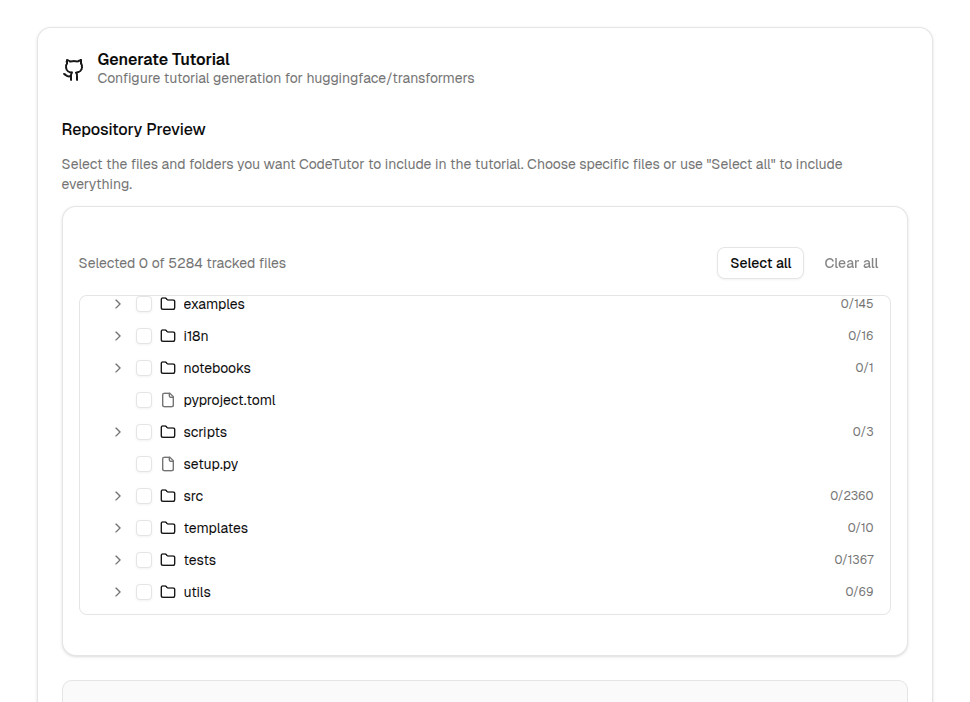
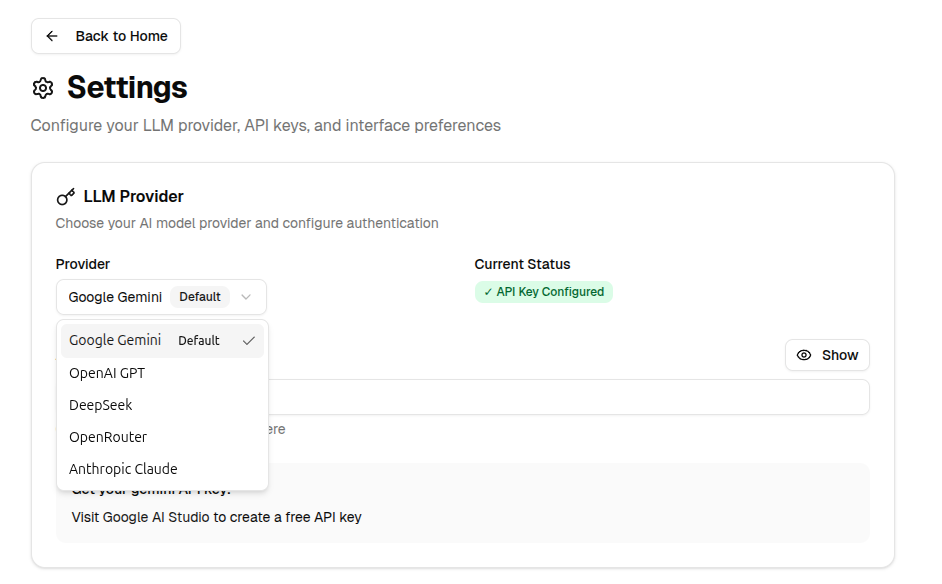
Q4 2025
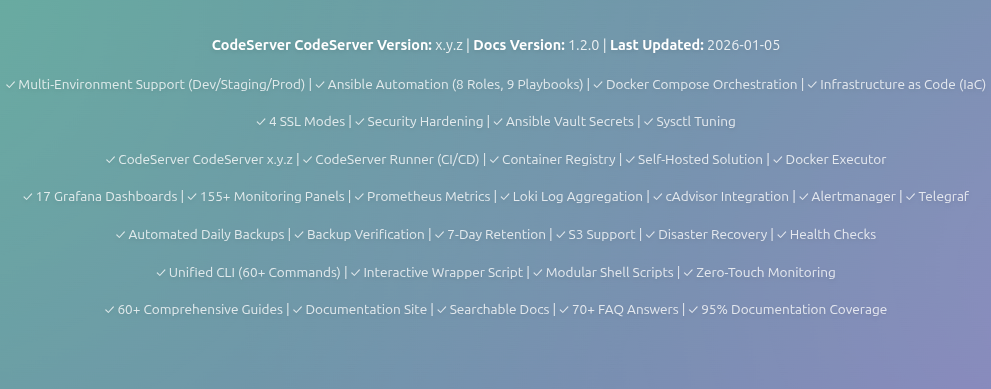
CODESERVER
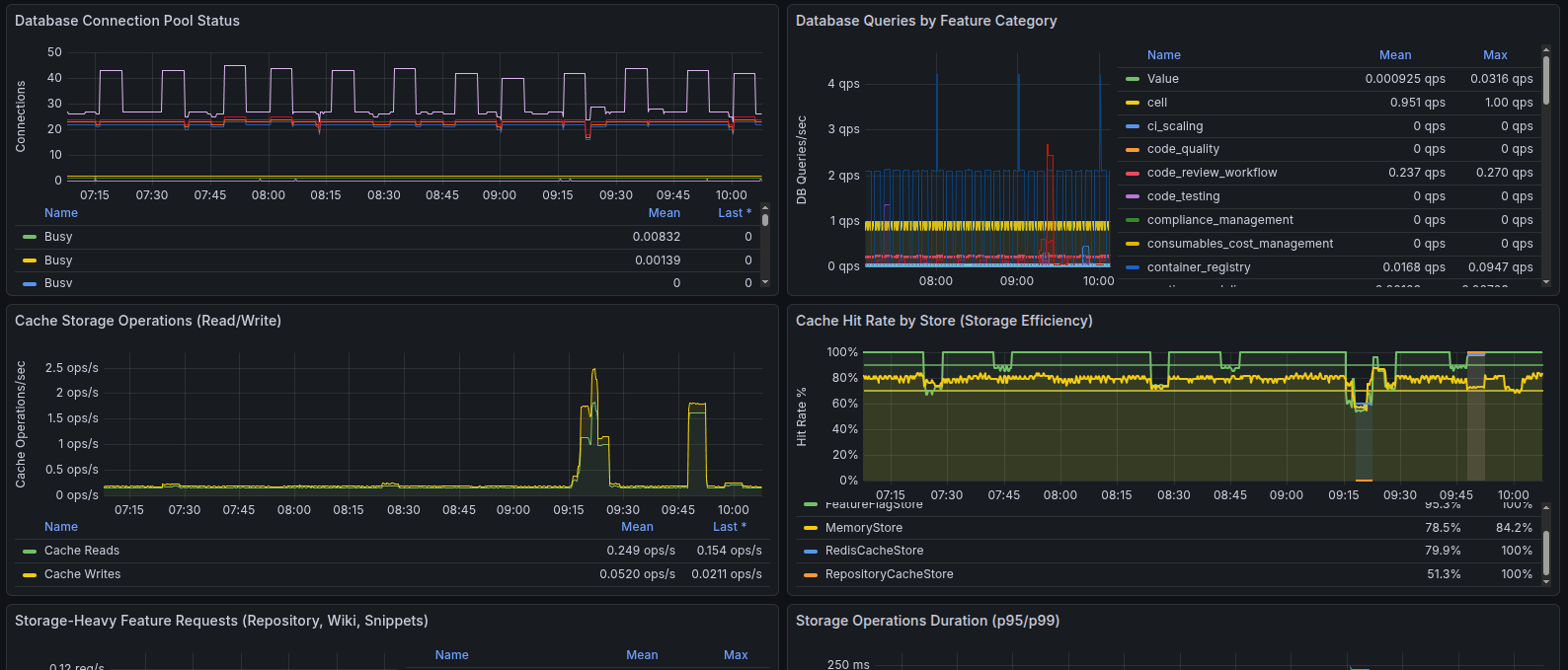
AdvOpt
ADVANCE OPTIMIZATION
2020
parallel programming
Journey
From FORTRAN to GPU Computing
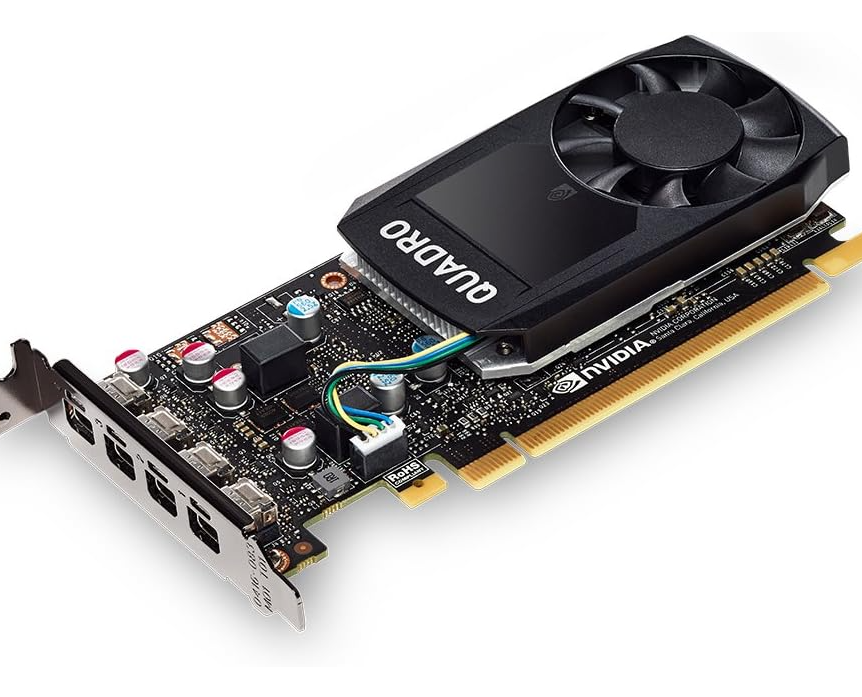
I realized that the FORTRAN based simulation was performing quite slowly, which led me to research possible optimization techniques. In doing so, I discovered methods for parallelizing code on Intel processors and conducted several roofline model analyses to estimate potential performance gains. However, after careful consideration, I ultimately abandoned this approach. It was at that point that I became aware of GPU computing as an alternative. Consequently, all credit for my progress with CUDA belongs to the graphics card shown on the left.
2021
TILING
SHARED MEMORY
After some research, I found that instead of relying on global memory for every operation, the data can be loaded serially into the L2 cache, the calculations can be performed there, and the results can then be written back to global memory before loading the next data set. This approach cuts the overall simulation time by approximately half
2021
PROFILING
2026
ARM Architecture
ARM Optimization Stack
• ARM CPU vectorization (Neon, SVE/SVE2)
• Cloud-optimized ARM processors (Graviton, Ampere, Grace)
• ARM HPC toolchain (compilers, performance libraries, debuggers)
• ARM GPU compute (Mali, OpenCL, Vulkan)
• Memory architecture and concurrency on ARM
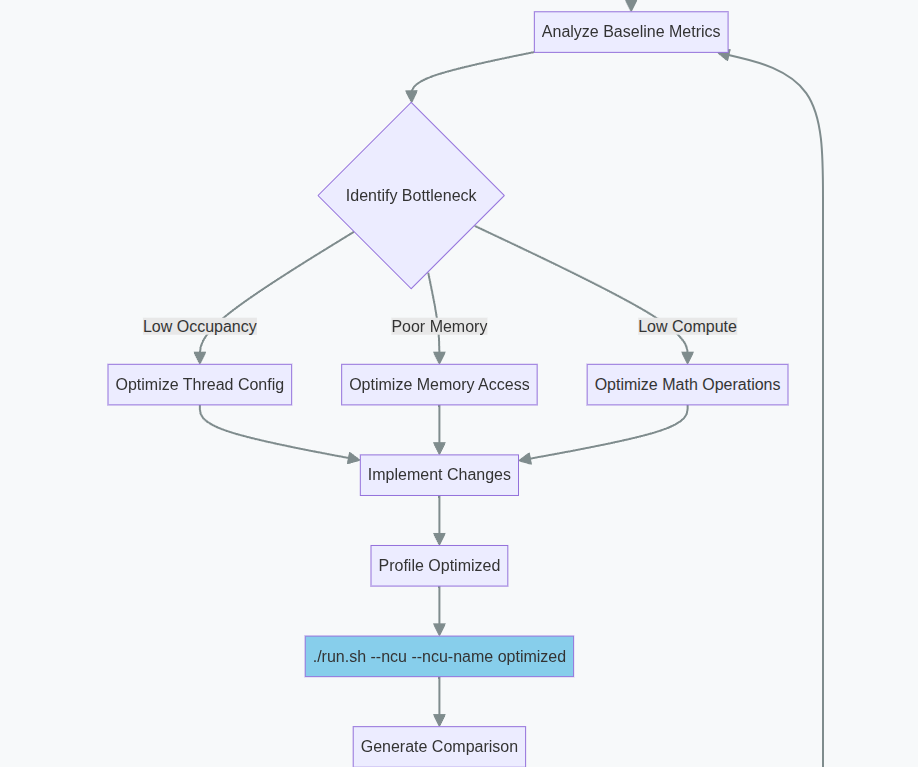
• Performance analysis and profiling tools
2026
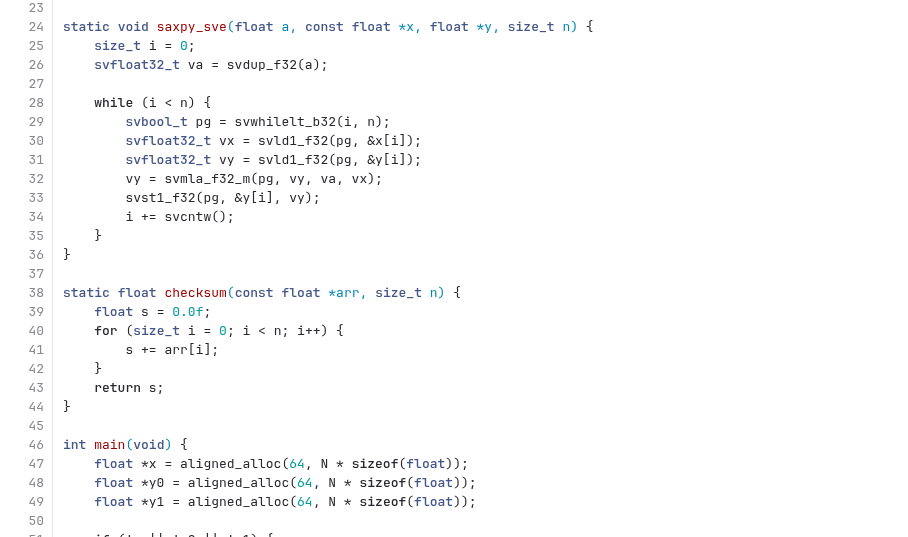
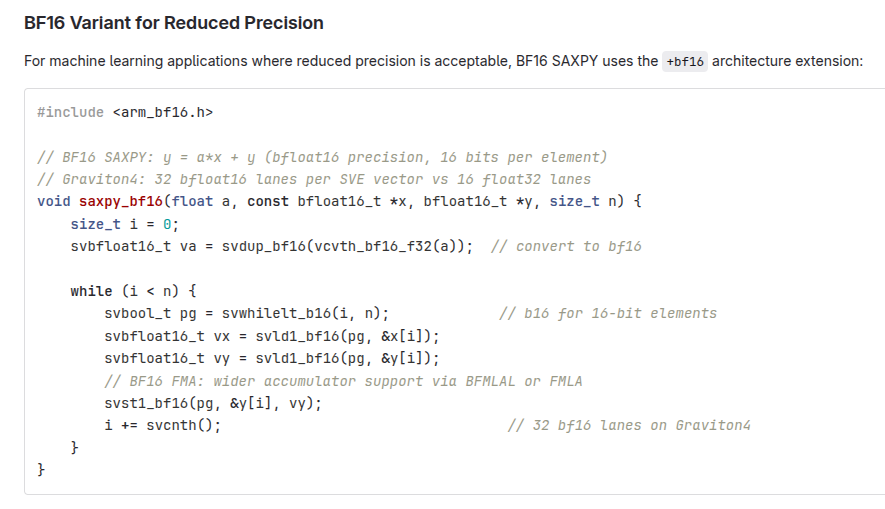
Vector-Length-Agnostic
SciC
SCIENTIFIC COMPUTING
2018
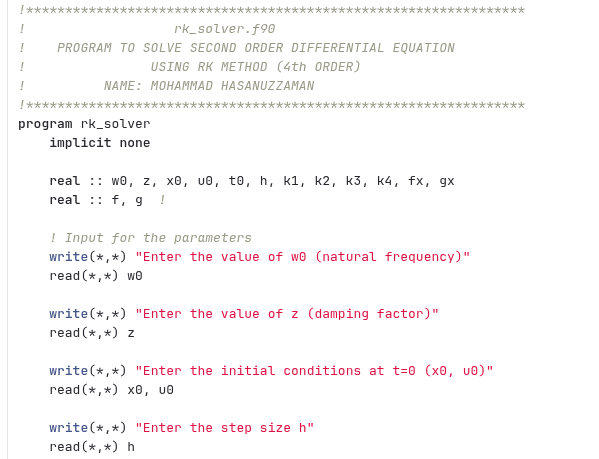
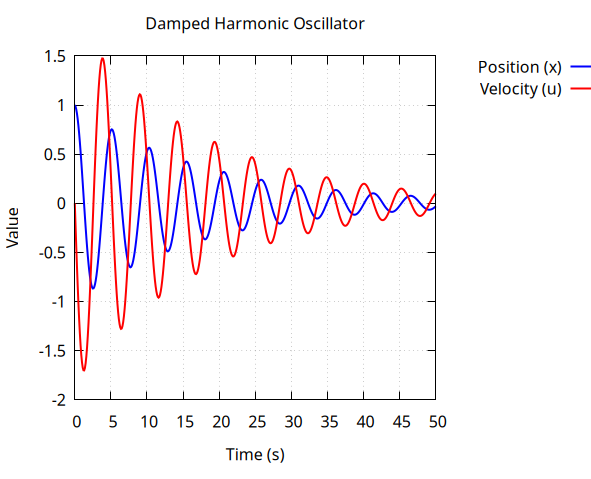
Numerical Methods
2019
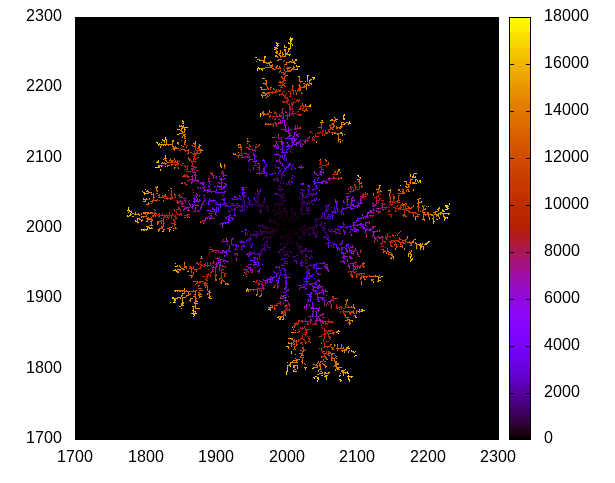
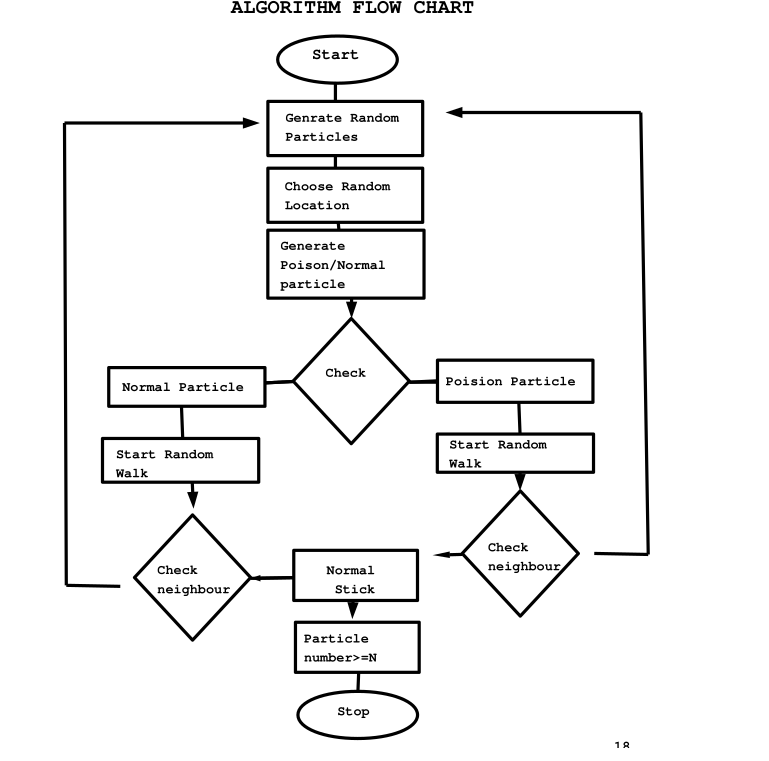
Diffusion Limited Aggregation
2024
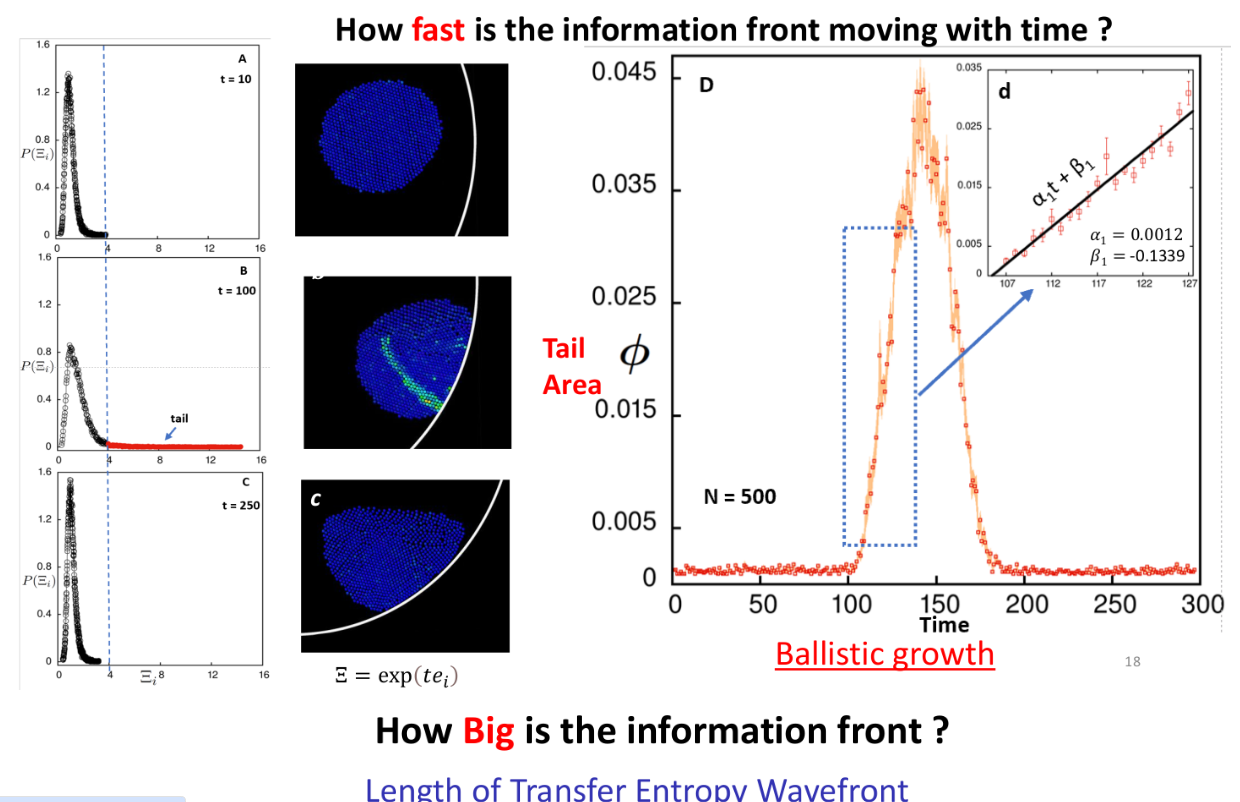
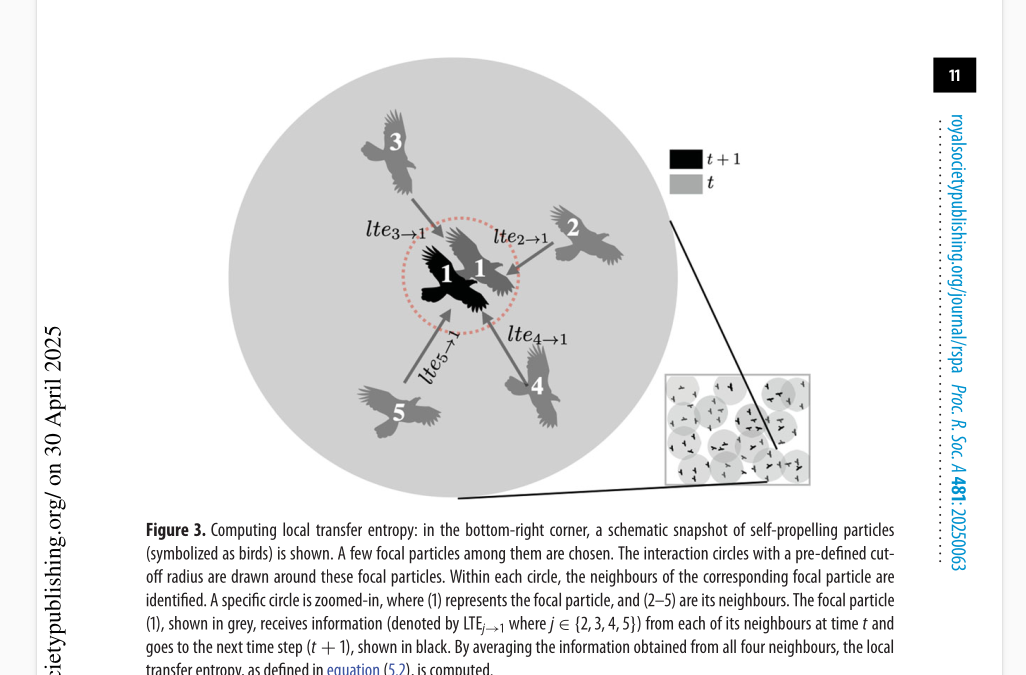
INFORMATION THEORY
Q2 2025
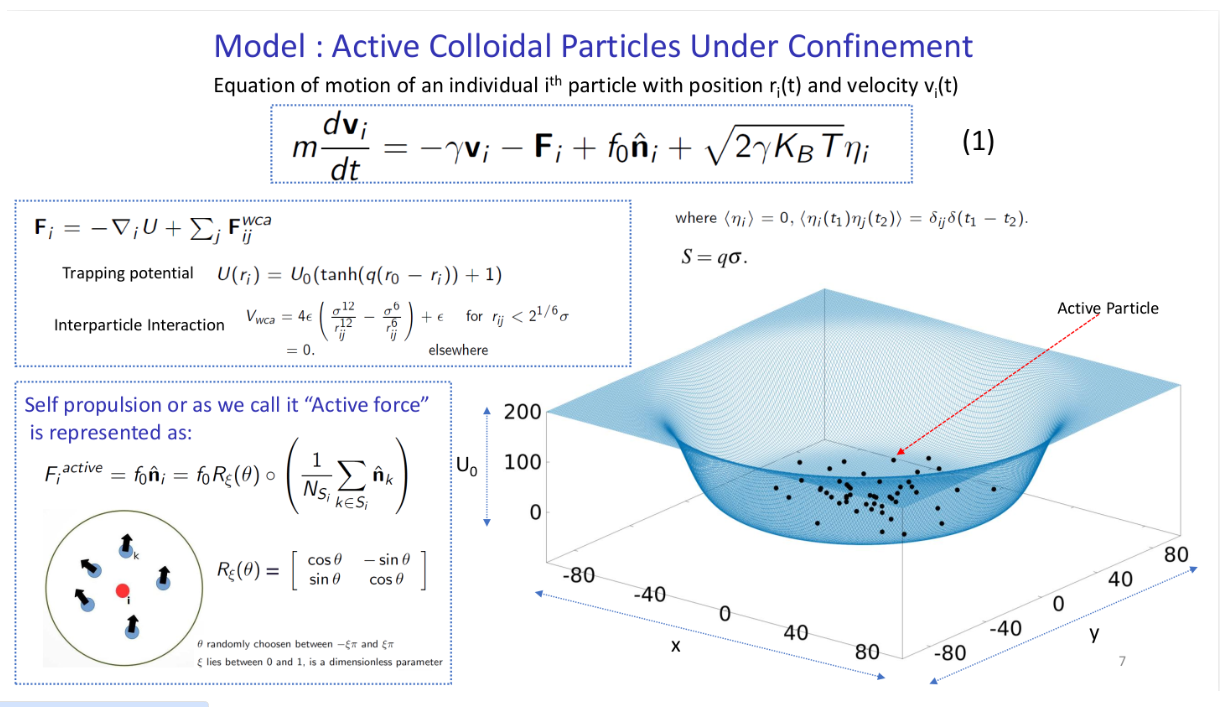
SIMULATION
2026
ML Integration
• Automated Phase Classification: Train classifiers (Random Forest, CNN) on labeled data
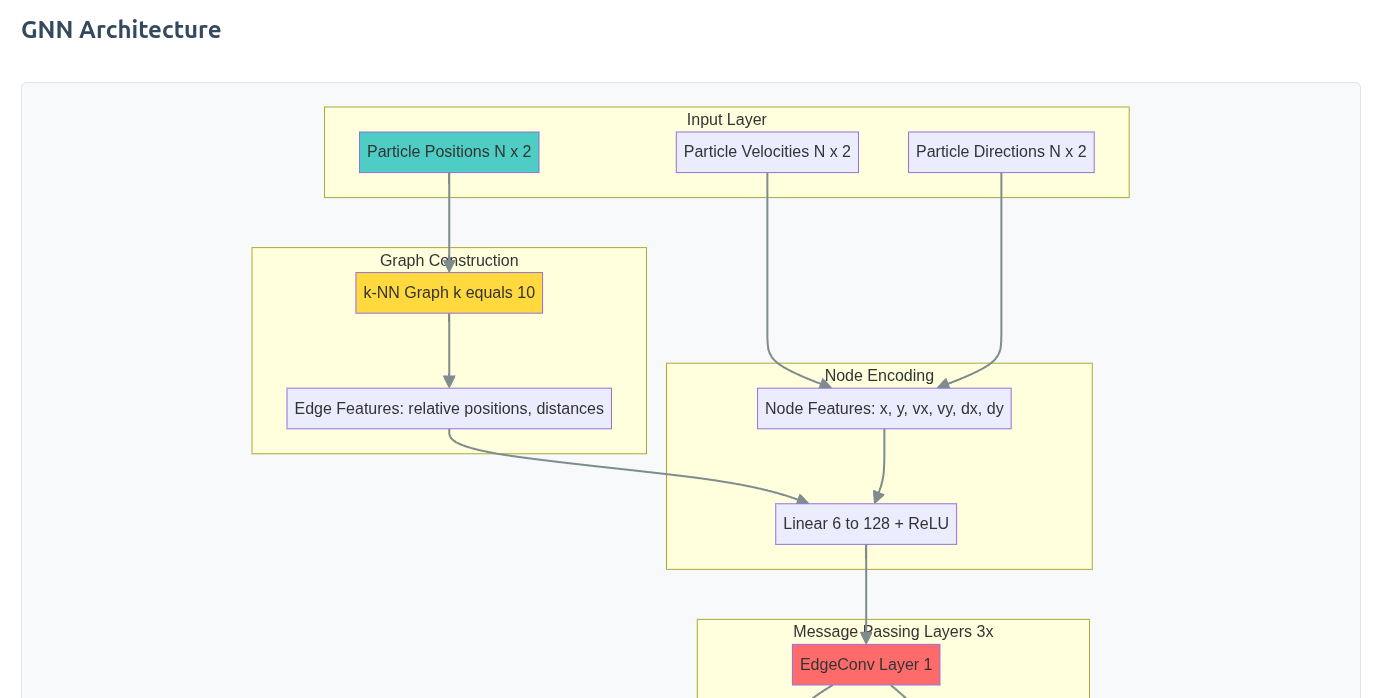
• Physics Surrogate Models: O(N²) force calculation is the main bottleneck (>80% of compute time), Graph Neural Networks (GNN) learn particle interactions
• Intelligent Parameter Optimization: Bayesian optimization (Optuna) guides parameter selection
• Trajectory Prediction: Sequence models (LSTM, Transformer) learn dynamics
2026
ANISOTROPIC PARTICLES


DSA
DATA STRUCTURES & ALGORITHMS
2020
molecular dynamics
NEIGHBOUR LIST
After following a professor's lecture in which he explained the neighbor list algorithm used in molecular dynamics simulations, I implemented the same approach in my own work. The results demonstrated a substantial improvement in computational performance while preserving the accuracy of the simulation
2023
Foundations
Core
Arrays, hashing, trees
Graph
Graph search toolkit
2024-2026
Optimization
Perf
Latency-first algorithms
ML
MACHINE LEARNING
Q2 2024
Foundation
Milestone
A dedicated section on ML was established
2025
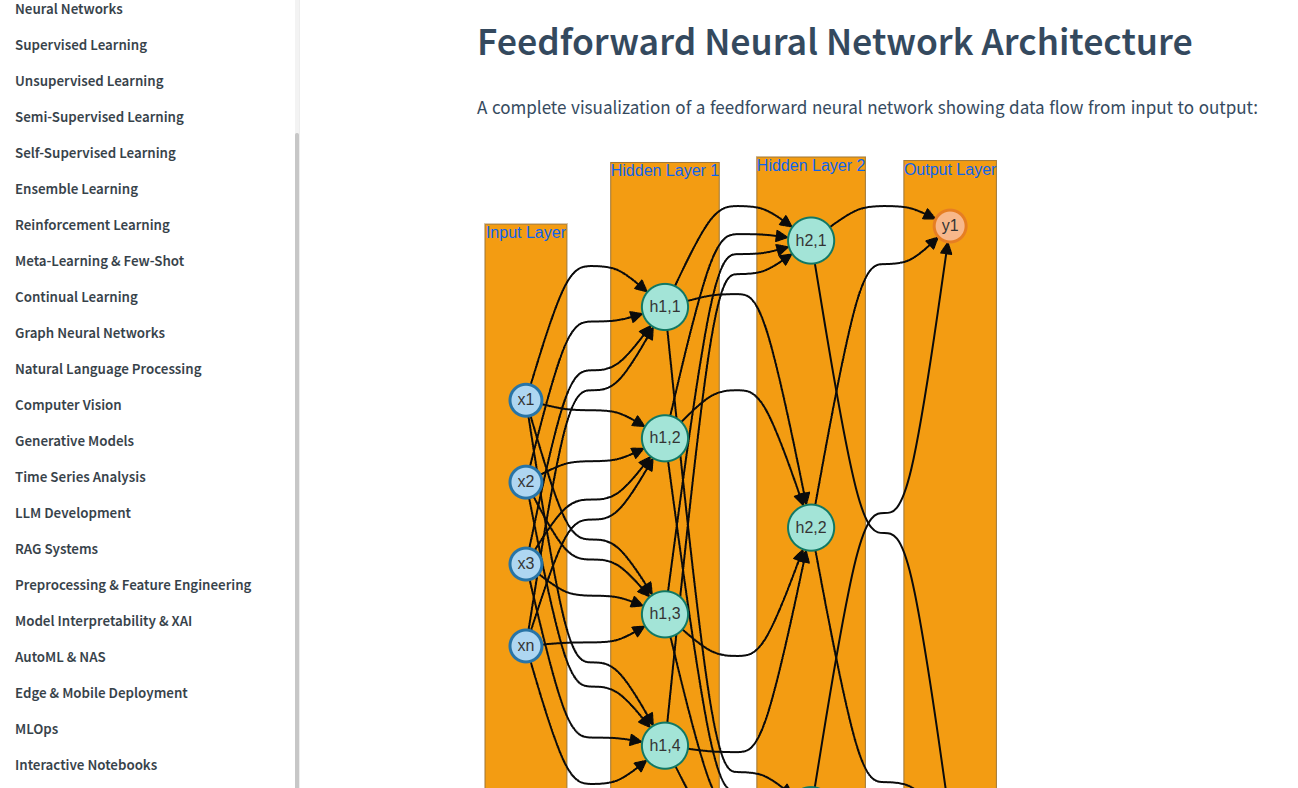
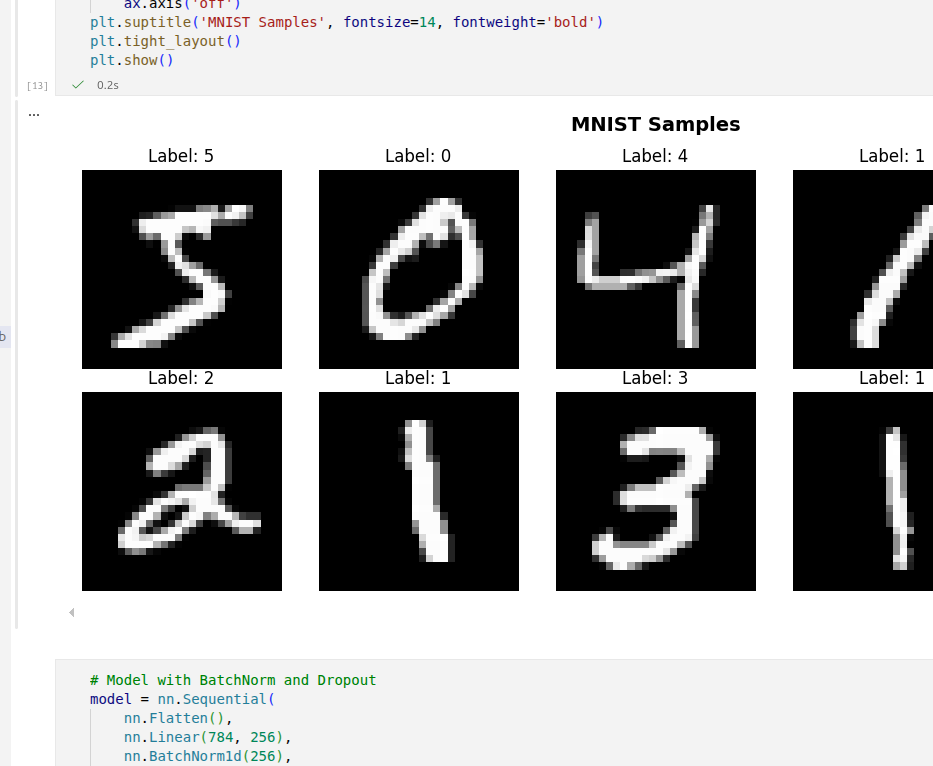
Neural Network Architecture
Q1 2025
LOOP

Q2 2025
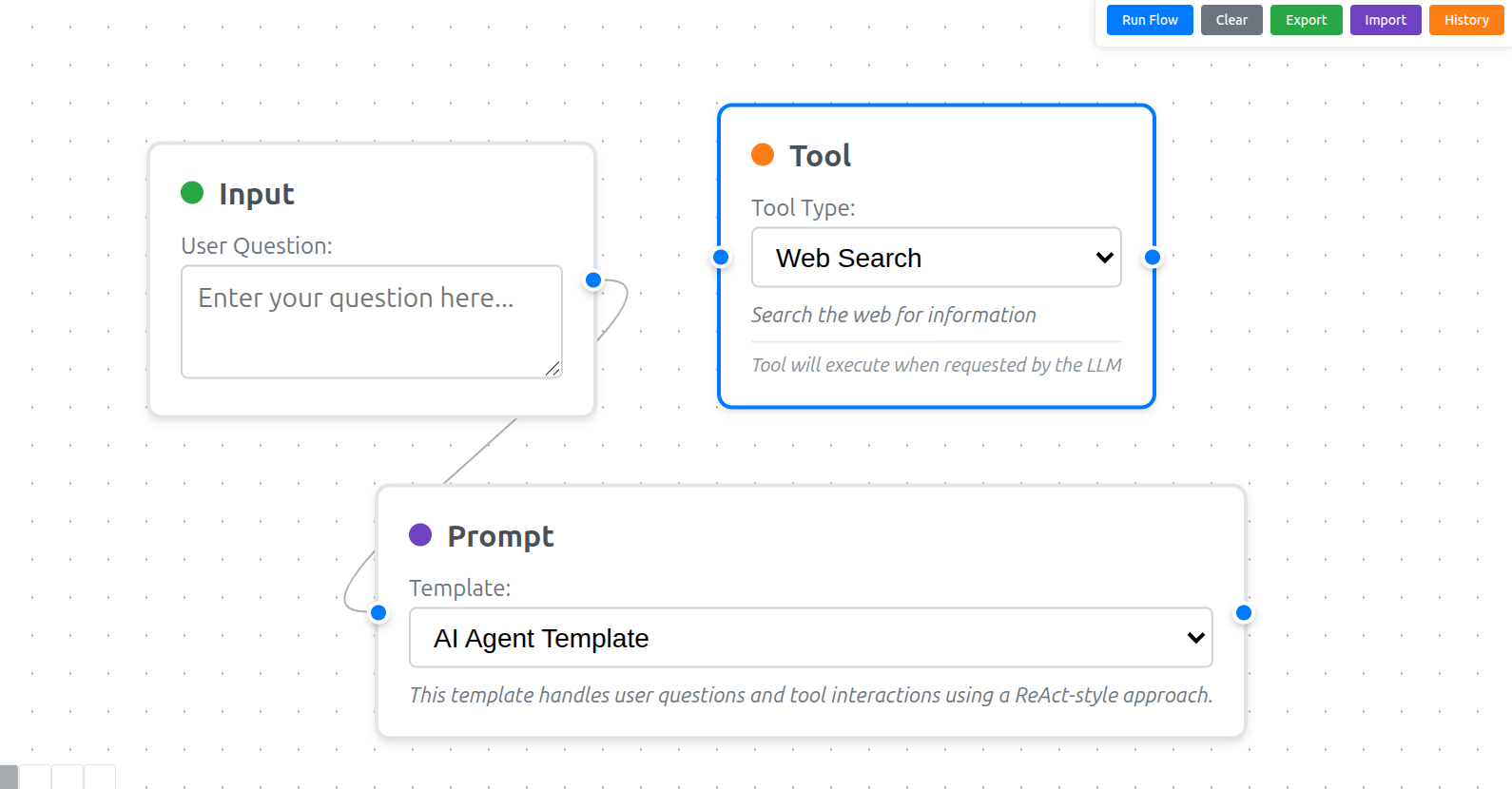
FLOW VERSION 1
Q3 2025
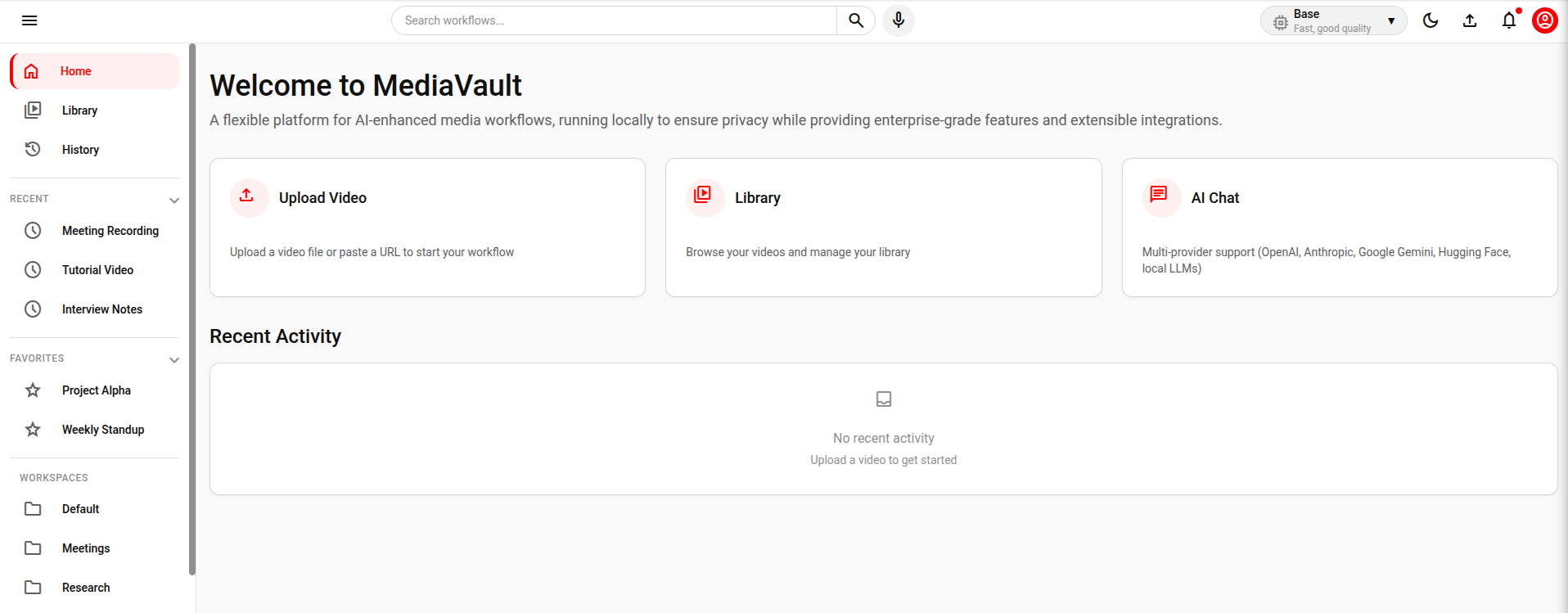
MediaVault 2
DEC 2025
SYSTEMS I
Stack
Multi-Agent Systems
• Python (coordination logic, task decomposition)
• Message queues (Redis, Kafka for inter-agent communication)
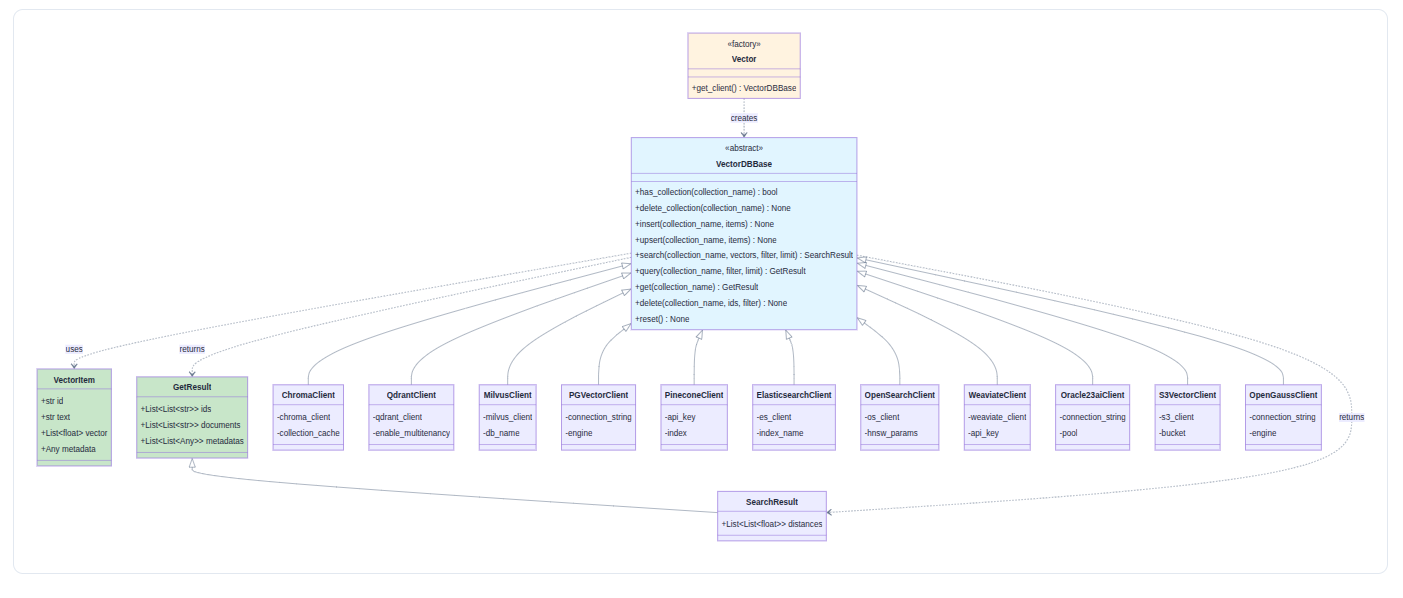
• Vector databases (HNSW for semantic memory search)
• SQLite/AgentDB (persistent memory storage)
• Reinforcement learning algorithms (pattern propagation)
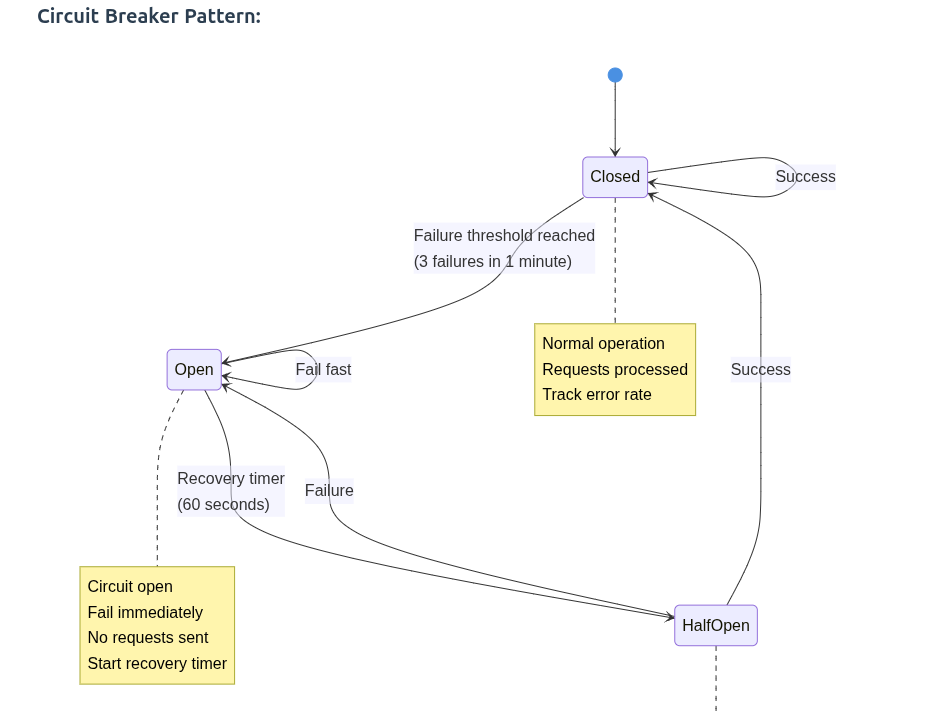
• Circuit breakers and retry mechanisms (fault tolerance)
Q1 2026
RAG I
Q1 2026
SYSTEMS II
SysAdmin
SYSTEM ADMINISTRATION
2023
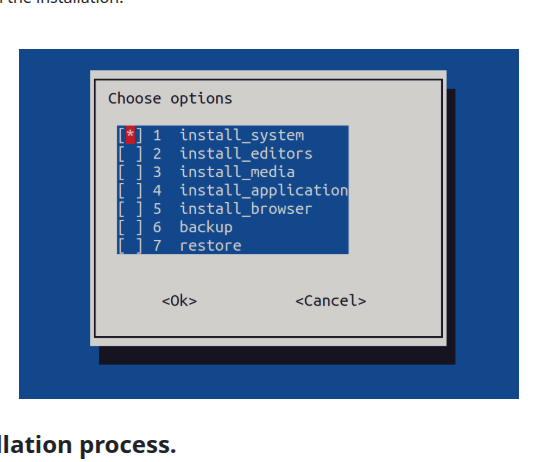
PACKAGE MANAGER
Q3 2025
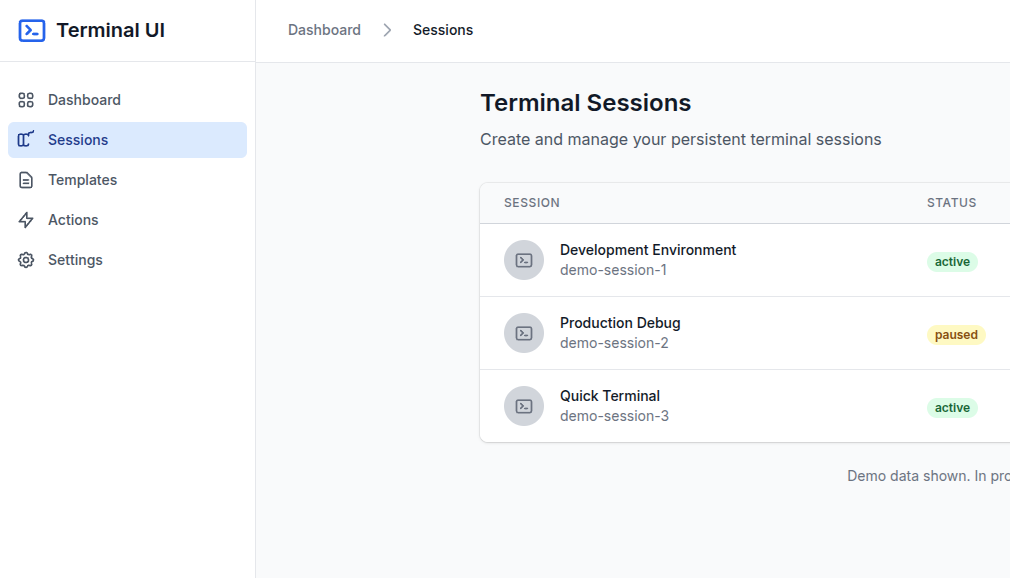
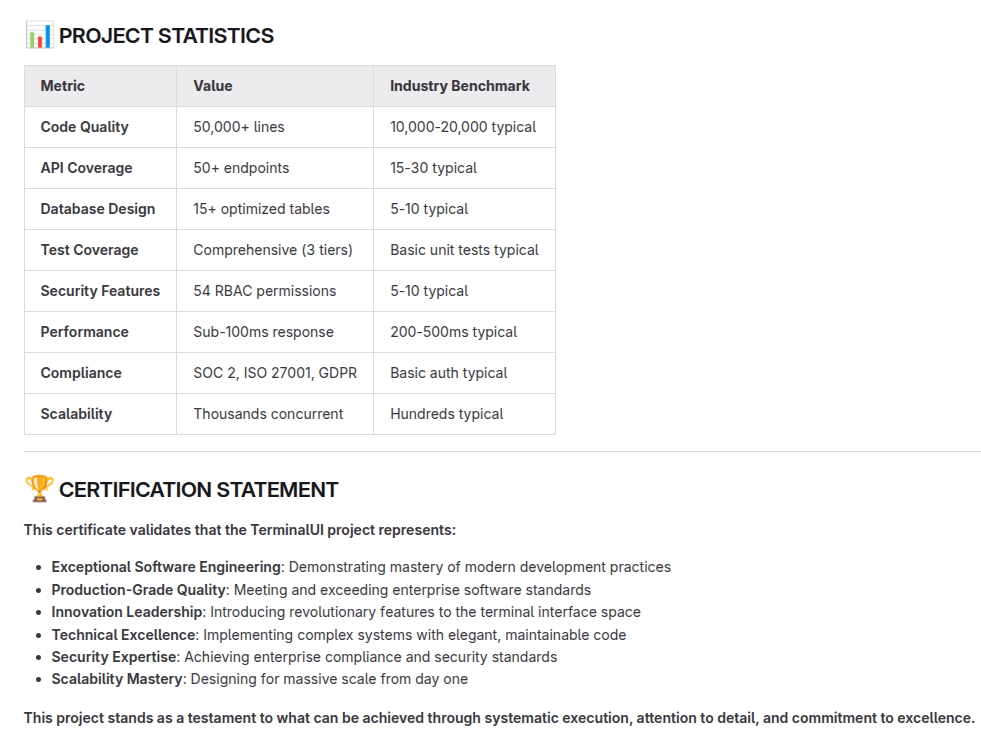
TERMINAL UI VERSION 1
Q4 2025
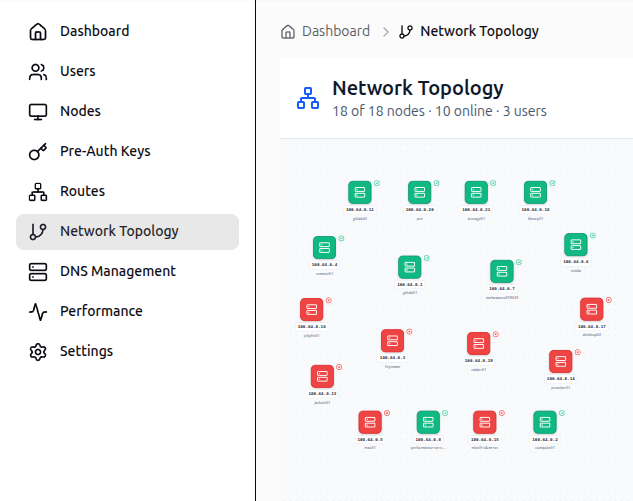
MeshFabric
2026-2028
Autonomy
Ops
Self-healing infrastructure
Cloud
CLOUD PLATFORMS
Q1 2023
SCRIPTS
2024
AWS Infrastructure
Q4 2025
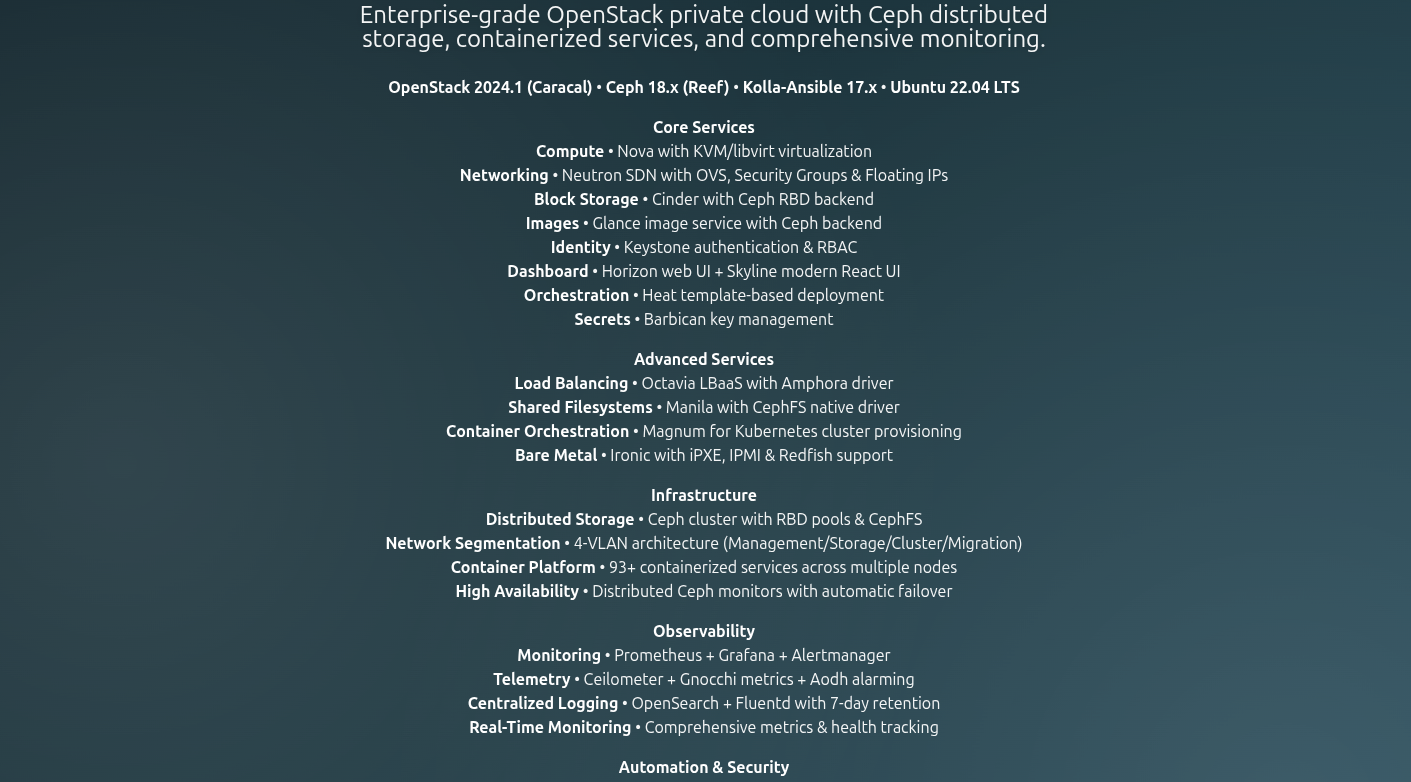
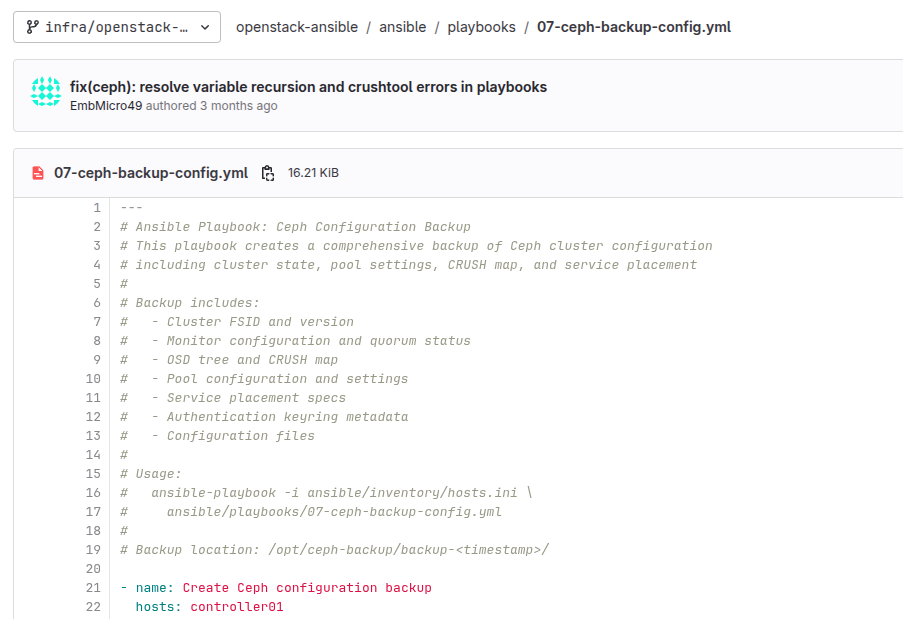
hybrid cloud version 1

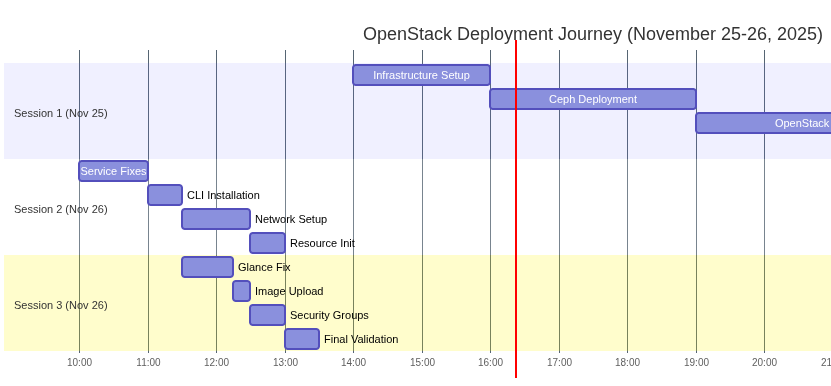
Q4 2025
DataEng
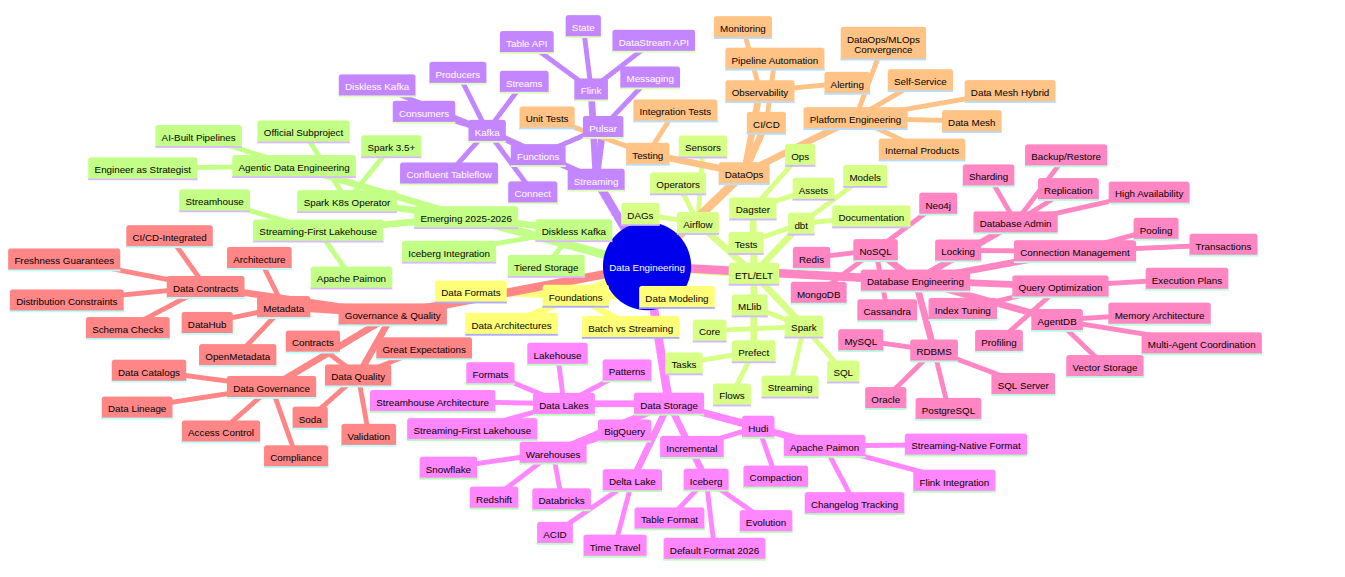
DATA ENGINEERING
2026
Landscape
Jan 2026
Abstraction Layer
CyberSec
CYBER SECURITY
Q4 2025
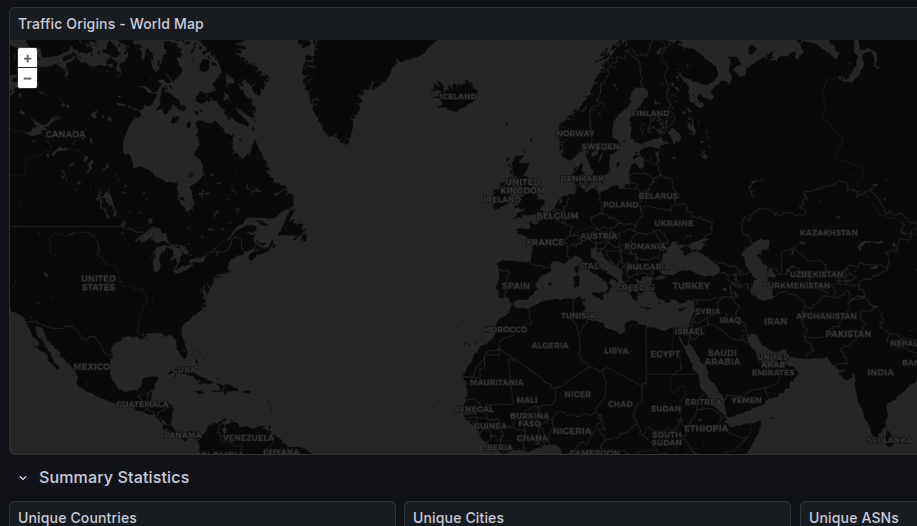
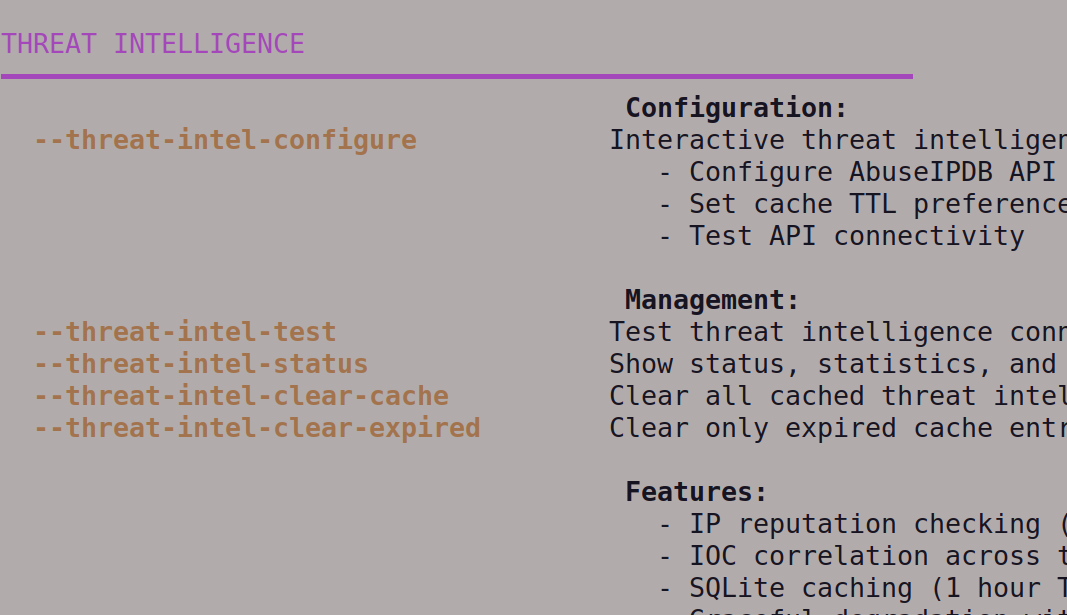
BATMAN
EmbMicro
EMBEDDED MICROCONTROLLERS
2013
Foundation
Journey
The Beginning
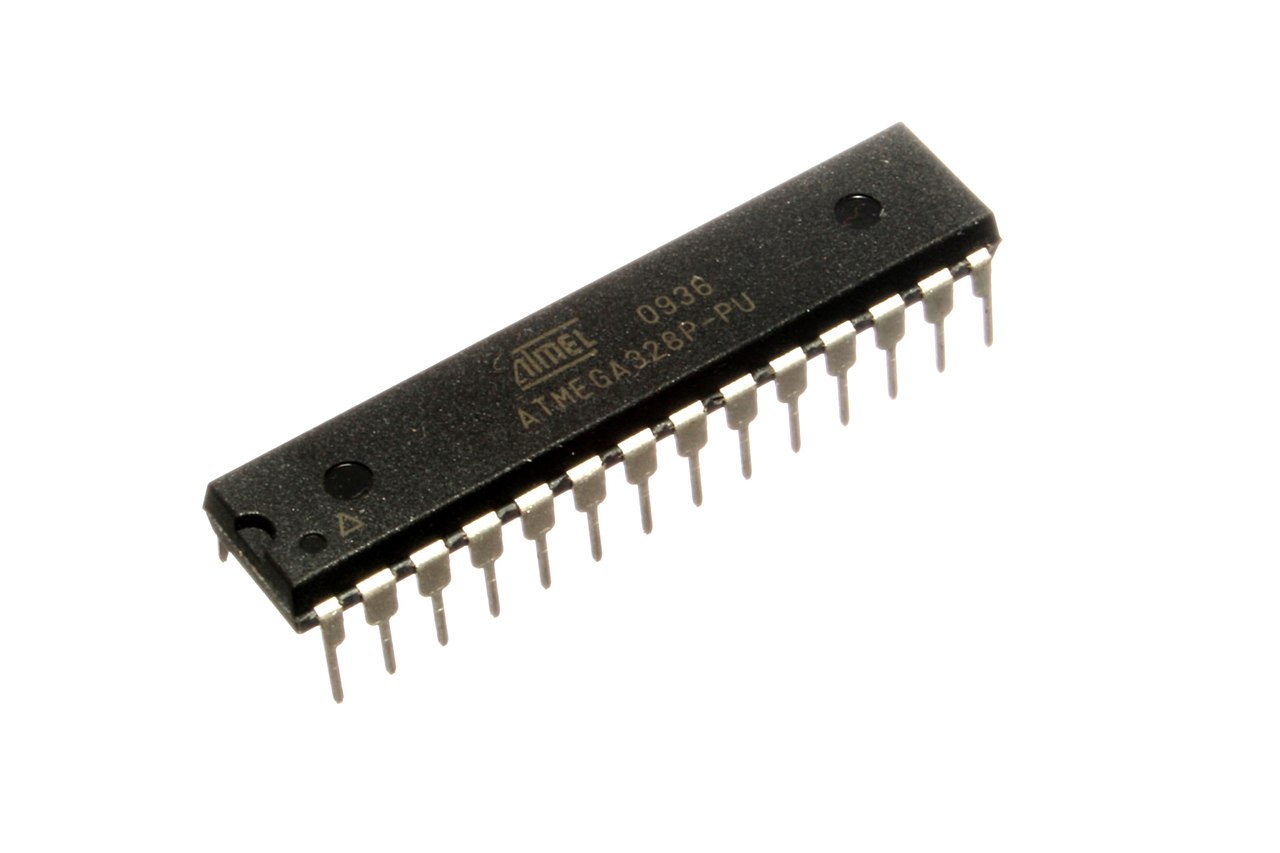
I was wandering through an electronics market, moving from shop to shop and asking vendors whether they had a component that could help me design a small electronic application. Deep inside the market, in a tiny and easily overlooked shop, one seller casually suggested, "Why don't you try programming this tiny chip?" I decided to give it a try. I built a few simple electronics circuits, sold them to my friends, earned a small amount of money and with that, I bought my first smartphone.
2026
TinyML
ML
Edge Intelligence
Enables inference on ultra-low-power devices with strict power, memory, and cost constraints.
Snippy
DAILY LOG